
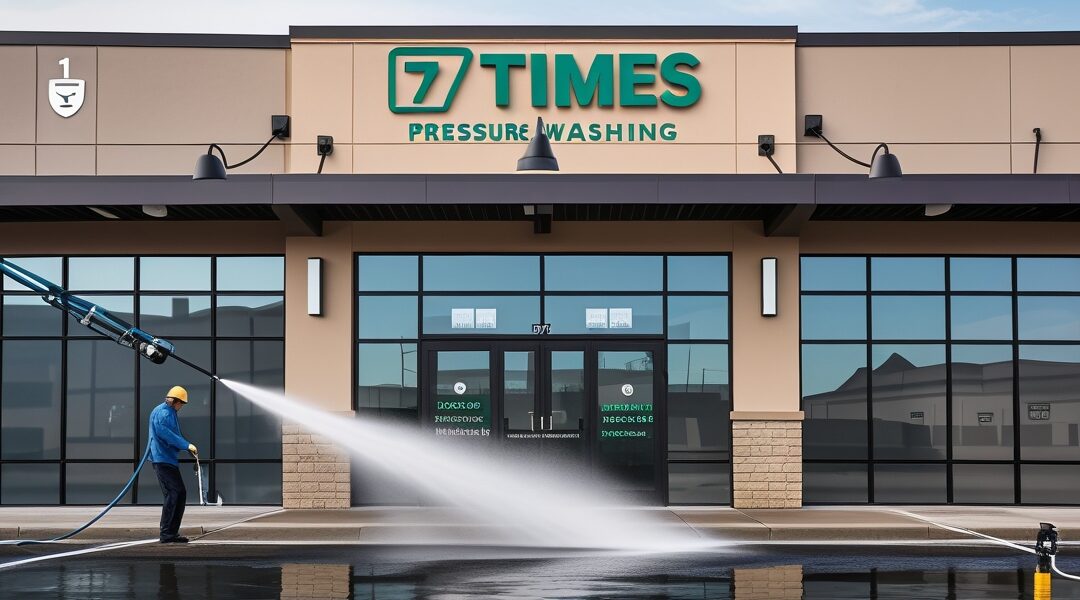
7 Times to Skip High Pressure Washing on Commercial Sites
Using a pressure washer can transform a building’s exterior, car park or loading dock — but it isn’t always the right tool. This guide explains seven clear situations when you should skip high pressure washing on your commercial site, what the risks are, and safer alternatives to consider.
Why this matters for Australian businesses
For owners and facility managers of commercial sites in Australia, cleaning decisions affect safety, compliance and long-term asset life. Using excessive water pressure, the wrong chemicals or working without containment can cause structural damage, void warranties, pollute stormwater and create workplace hazards. With updated guidance and increasing local regulation around wastewater containment and environmentally safe cleaning, knowing when to avoid high pressure washing is essential.
Summary: Key reasons to avoid high pressure washing
Before the detailed list, here are the core reasons you might decide to skip high-pressure methods on your commercial site:
- Fragile or porous surfaces that can be eroded or cracked.
- Windows, seals and glazing that are vulnerable to water intrusion.
- Areas with electrical equipment or exposed cabling.
- When environmental rules require containment of runoff or prevent discharge to drains.
- When the operator lacks training or appropriate protective equipment.
- When protective coatings or finishes will be stripped by pressure.
- When weather conditions or site activity make the operation unsafe.
The 7 Times to Skip High Pressure Washing on Commercial Sites
-
Fragile, porous or weathered surfaces
Old brickwork, sandstone, limestone, certain timbers and weathered mortar are easily damaged by high-pressure streams. Long-term erosion, mortar loss and surface etching can occur when water is forced into pores at high velocity. For heritage buildings, architectural stonework or older brick façades, the cost of repairing pressure damage can far exceed the cost of a gentler cleaning method.
Alternatives: soft washing, chemical cleaning with biodegradable detergents followed by low-pressure rinse, or manual brush-and-clean for delicate sections.
-
Windows, glazing and seals
High-pressure water can crack glass, blow out window seals, force water behind sealants and ruin double-glazed units. Once moisture gets behind seals it can cause fogging, mould and long-term rot in timber framing. Window screens and aluminium joinery are also at risk.
Alternatives: hand wash windows, use water-fed pole systems, or employ low-pressure rinse heads designed for glazing work.
-
Areas with exposed electrical infrastructure
Spraying high-pressure water near switchboards, exposed conduits, rooftop plant, HVAC units or any live electrical equipment is hazardous. The risk includes electrocution to staff, short circuits, equipment failure and expensive downtime. Even non-live electrical items can suffer water ingress and corrosion.
Alternatives: isolate electrical supply where possible, use steam cleaning at lower pressures, or employ manual cleaning. Engage a qualified electrician to de-energise equipment if power isolation is required.
-
Surfaces with protective coatings, paint or sealants
High-pressure cleaning can strip paint, remove protective sealers from concrete, or strip the mineral granules from asphalt roofing. That removes the protective layer that extends the life of the surface — leaving it vulnerable to accelerated deterioration and increased maintenance costs.
Alternatives: use chemical cleaning or low-pressure methods and then reseal surfaces. For painted façades, test a small inconspicuous area first and adjust pressure and nozzle size accordingly.
-
When wastewater containment is required by regulation
Many Australian councils and environmental regulators now require containment and proper disposal of cleaning runoff to protect stormwater systems and waterways. Where the cleaning process will create contaminated runoff (oils, heavy dirt, paint flakes, cleaning chemicals), direct discharge to stormwater drains may be prohibited — and fines or remediation costs can be significant.
Alternatives: use contained systems, vacuum recovery or employ dry cleaning and manual techniques to avoid contaminated runoff. Ensure you check local environmental guidelines and council requirements before proceeding.
-
On roofs, aged membranes and asphalt shingles
High-pressure water can strip protective layers and cause lifting of roofing materials. Asphalt shingles lose granules when pressured, which reduces their ability to shed water and UV protection. Flat roof membranes and older roofing may delaminate or sustain punctures when blasted with high-pressure streams.
Alternatives: use soft washing, gentle chemical treatments, or rely on manual moss and algae removal tools designed for roofing. Always consult roofing manufacturer guidance before cleaning.
-
Busy, high-traffic or temporary-setup sites
If your commercial site has high pedestrian traffic, active loading docks, or temporary structures (scaffolding, tents, signage), high-pressure operations increase the risk of slips, falls, flying debris and accidental damage. Wind can make spray unpredictable and nearby operations may be disrupted.
Alternatives: schedule cleaning outside peak hours, use cordoned-off zones with appropriate signage, or select lower-pressure options for safe, staged cleaning.
Practical examples and real-world consequences
Examples reported by commercial cleaning professionals and insurers highlight common incidents when high-pressure washes went wrong:
- Brick mortar erosion leading to water ingress and costly repointing works.
- Window seal failure after high-pressure blasting, requiring full window unit replacement.
- Roof membrane punctures and asphalt shingle granule loss that shortened roof life.
- Contaminated runoff entering stormwater drains, triggering council enforcement and clean-up costs.
These examples underline why a risk-assessment approach is essential before any high-pressure job on a commercial site.
How to decide: a quick pre-clean risk checklist
Before authorising a high-pressure clean, run through this short checklist to decide if the method is appropriate:
- Has a site inspection identified fragile surfaces (old brick, natural stone, timber, roof membranes)?
- Are there glazing/windows, exposed electricals or mechanical plant within the spray zone?
- Will the cleaning produce contaminated runoff that can reach stormwater systems?
- Is there adequate training and PPE for the operator and an isolation plan for the work area?
- Are there manufacturer or warranty restrictions that prohibit pressure washing?
- Are weather conditions suitable (low wind, no frost, no heavy rain forecast)?
- Are safer alternatives available that will achieve the same outcome?
If you answered “yes” to any of the risk items above, strongly consider skipping high pressure washing and using an alternative method.
Safe alternatives to high-pressure cleaning
Here are proven alternatives commonly used on commercial properties that reduce risk while delivering the required result:
- Soft washing: Low-pressure application combined with specialised detergents that remove organic growth without damaging substrates.
- Steam cleaning: Effective sanitisation and grime removal without high-velocity water — useful around electrical or sensitive equipment when performed correctly.
- Manual cleaning: Hand scrubbing and spot cleaning for delicate finishes or small areas.
- Chemical application + low-pressure rinse: For oil, rust or graffiti removal where pressure alone won’t work and strong pressure would damage surfaces.
- Containment & recovery systems: Vacuum-recovery units that capture wastewater for off-site disposal or filtration.
- Surface protection (seals/coatings): Applying protective seals can reduce cleaning frequency and the need for aggressive methods.
Choosing the right contractor and equipment
When cleaning a commercial site, choose contractors who:
- Provide a documented risk assessment and method statement for the specific site.
- Have appropriate public liability and professional indemnity insurance.
- Use variable-pressure equipment, trained operators and the correct nozzles/techniques for each surface.
- Understand local environmental regulations and provide wastewater containment plans where required.
- Offer soft washing and alternative technologies rather than defaulting to high-pressure methods.
Ask prospective providers for references and examples of similar commercial projects — and request a small test area to confirm the method before rolling out a full clean.
Regulatory and environmental considerations (Australia)
Across Australia, local councils and environmental protection authorities are increasingly strict about runoff from cleaning activities. Contaminants such as oils, paint particulates and cleaning chemicals can cause local waterways to be polluted. If your job creates contaminated run-off, you may need to use containment systems and remove wastewater for lawful disposal. Always check site-specific council requirements before performing any cleaning that could enter public drains.
When in doubt, consult environmental guidance from your state or territory regulator and choose contractors who demonstrate compliance with containment and disposal requirements.
When high-pressure washing is still appropriate
High-pressure cleaning remains a valuable technique when used correctly. It’s appropriate when:
- Surfaces are robust (modern poured concrete, robust kerb and gutter, industrial concrete pads) and manufacturer guidance permits pressure cleaning.
- Operators use correct pressure settings and nozzle angles to avoid surface scouring.
- There is a containment plan for runoff and the surface doesn’t have coatings that will be stripped.
- It is performed by trained professionals with the right PPE and exclusion zones in place.
For many commercial hardstand areas and heavy-duty industrial zones, professional high-pressure washing remains the fastest and most effective method — but only when risks are controlled.
Further reading and professional resources
For detailed technical guidance on cleaning methods, equipment and safety, facilities managers may consult specialist cleaning blogs and industry resources that cover both pressure and alternative cleaning approaches. For example, reputable professional outlets outline risks, insurance considerations and best practice for commercial pressure washing operations.
Find an example of a local specialist service that details safe and tailored approaches, including high pressure washing Melbourne.
You can also review broader industry articles and cleaning best practices at this professional cleaning resource for further context: Jan-Pro blog.
Conclusion — prioritise assessment over speed
While high pressure washing can rapidly restore the appearance of many areas on a commercial site, it is not a universal solution. Before pressing ahead, conduct a site-specific risk assessment, confirm regulatory requirements for wastewater, and consider softer or containment-based alternatives where sensitive surfaces, glazing, electrical infrastructure or environmental risks exist.
Correct method selection protects your asset, keeps staff and visitors safe, and ensures compliance — preventing expensive repairs, downtime and potential fines.
If you’re unsure which method suits a particular area of your property, arrange a professional inspection and small test patch rather than attempting a full high-pressure clean without expert advice.